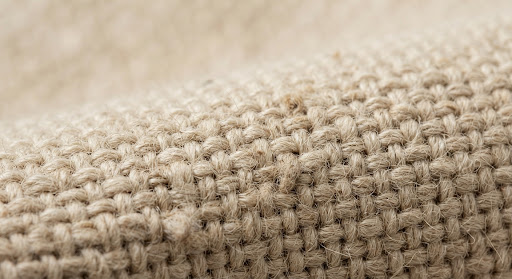
Cotton Rags vs Microfiber Wiping Cloths for Industrial Use
Procurement buyers sourcing wiping material for the first time often assume microfiber is automatically the better choice. Because it is a newer material and gets marketed heavily for high-end cleaning, it is easy to assume it outperforms traditional textiles. However, that does not mean it beats cotton for every heavy industrial task.
At Al Hadi Rags, we supply thousands of tons of cotton wiping cloths to industrial buyers worldwide. This guide compares cotton and microfiber honestly, so you can decide based on your actual factory floor use case rather than commercial marketing claims.
How the Two Materials Actually Differ
Cotton rags are a completely natural fibre material. They are either cut from new virgin mill fabric or sorted from recycled post-consumer clothing.
Microfiber is a highly synthetic material made from very fine plastics, typically a blend of polyester and nylon fibres, engineered specifically for trapping dirt.
Both materials can be highly effective, but they behave very differently depending on the specific job.
- Cotton actively absorbs liquid into the fibre itself, which makes it exceptionally excellent for soaking up large spills and heavy-duty wiping.
- Microfiber uses statically charged fine fibres to trap dust and fine particles on the surface of the cloth, making it better suited to light dusting and streak-free glass surfaces.
- Cotton is generally much more resistant to heat, harsh solvents, and rough handling, which matters deeply in heavy industrial environments.
- Microfiber is designed to be reusable and washable many times over, while cotton rags are more commonly used heavily and discarded.
Cost Comparison for Bulk Buyers
For industrial buyers ordering in bulk, the total cost per use matters just as much as the upfront cost per unit. Here is how the two typically compare in a commercial setting:
- Cotton rags, especially recycled cotton options, usually cost significantly less per unit upfront.
- Microfiber costs noticeably more per cloth, but the price is justified because it is designed for repeated washing and reuse.
- High-volume industrial cleanup, like wiping thick oil and grease, heavily favors cotton since the rags are often completely ruined and discarded after heavy use. Washing oil-soaked microfiber is rarely cost-effective or safe.
- Lighter, precision cleaning tasks may favor microfiber if the facility has the logistics in place to launder and reuse the cloths regularly.
Where Cotton Rags Perform Better
For many industrial applications, cotton simply holds up better than microfiber, particularly where sheer liquid absorbency, solvent use, and rough durability matter most.
- Heavy oil, grease, and large liquid spill cleanup
- Automotive paint booths and heavy detailing, where products like our Single Jersey White Knit Rags and virgin Flannel Rags are commonly used
- General industrial wiping where rags are used once and discarded due to hazardous or un-washable fluids
- High-heat environments or welding shops where synthetic plastic fibres would melt onto the surface
Where Microfiber Might Be Worth Considering
Microfiber does have real strengths in specific situations, and it is worth acknowledging where it can sometimes outperform cotton.
- Dry dusting and light surface cleaning where trapping fine particles without chemicals matters
- Repeated-use cleaning tasks where washing and reusing the same cloth makes financial sense for a janitorial team
- Streak-free cleaning on mirrors, glass, and highly polished office surfaces
Making the Right Call for Your Business
Most heavy industrial buyers end up using cotton rags for the vast bulk of their cleanup needs, simply because the low cost per use works much better for high-volume, disposable wiping tasks. Microfiber tends to play a smaller, much more specialised role alongside cotton rather than replacing it entirely on the factory floor.
Frequently Asked Questions
Is cotton or microfiber better for automotive detailing?
Cotton, particularly soft Flannel Rags and Jersey Knit Rags, is widely used and preferred for paint prep, solvent application, and heavy buffing. Microfiber is often reserved for final glass wiping and light interior detailing.
Which material is more cost-effective for high-volume cleanup?
Cotton rags, especially recycled options like our Colour Knit T-Shirt Rags, tend to be vastly more cost-effective for disposable, high-volume industrial use.
Can microfiber handle heavy oil and grease cleanup?
It can technically wipe it up, but cotton generally performs much better for heavy absorbency tasks. Furthermore, once microfiber is soaked in heavy industrial grease, it is nearly impossible to wash properly, destroying its primary advantage (reusability).
Do industrial buyers typically use both materials?
Yes. Many facilities use bulk cotton rags for the vast majority of their heavy cleanup needs, and keep a small stock of microfiber for specific detailing or office glass cleaning tasks.
Which cotton product is closest to microfiber in softness?
Our Single Jersey White Knit Rags are the softest option in our knit range, and our Flannel Rags provide an ultra-soft brushed texture. Both are excellent comparisons in terms of gentle surface handling.
Ready to compare industrial cotton for yourself? Browse our full new virgin cotton wiping rags category, or go straight to Request a Quote with your specific facility requirements.