How to Choose a Bulk Wiping Rag Supplier: A Buyer’s Checklist
Sourcing wiping rags sounds simple until you actually start comparing global suppliers. Pricing, fabric claims, and shipping terms can vary wildly from one exporter to the next, and it is incredibly easy to end up with a bulk shipment that does not match what you expected.
At Al Hadi Rags, we export high-volume shipments worldwide from Karachi, Pakistan, and we see the mistakes buyers make when choosing a new partner. This practical checklist covers the critical questions worth asking before you commit to a bulk or container order, ensuring you avoid costly surprises entirely.
1. Start With the True Fabric Source
The single most important question to ask any supplier is where their fabric actually comes from. Some sellers use vague marketing terms like premium or new-like without being specific about whether the material is genuinely unused mill fabric or simply well-sorted recycled clothing.
- Ask directly whether the fabric is new virgin mill cutoffs or sorted recycled post-consumer clothing
- Request photos or a short video of the actual bales in their warehouse before ordering
- Confirm which specific products in their catalog are new versus recycled, since many suppliers offer both but blend the descriptions
We keep our own new virgin cotton wiping rags and recycled cotton wiping rags categories strictly and clearly separate for exactly this reason.
2. Check the Sorting and Quality Control Process
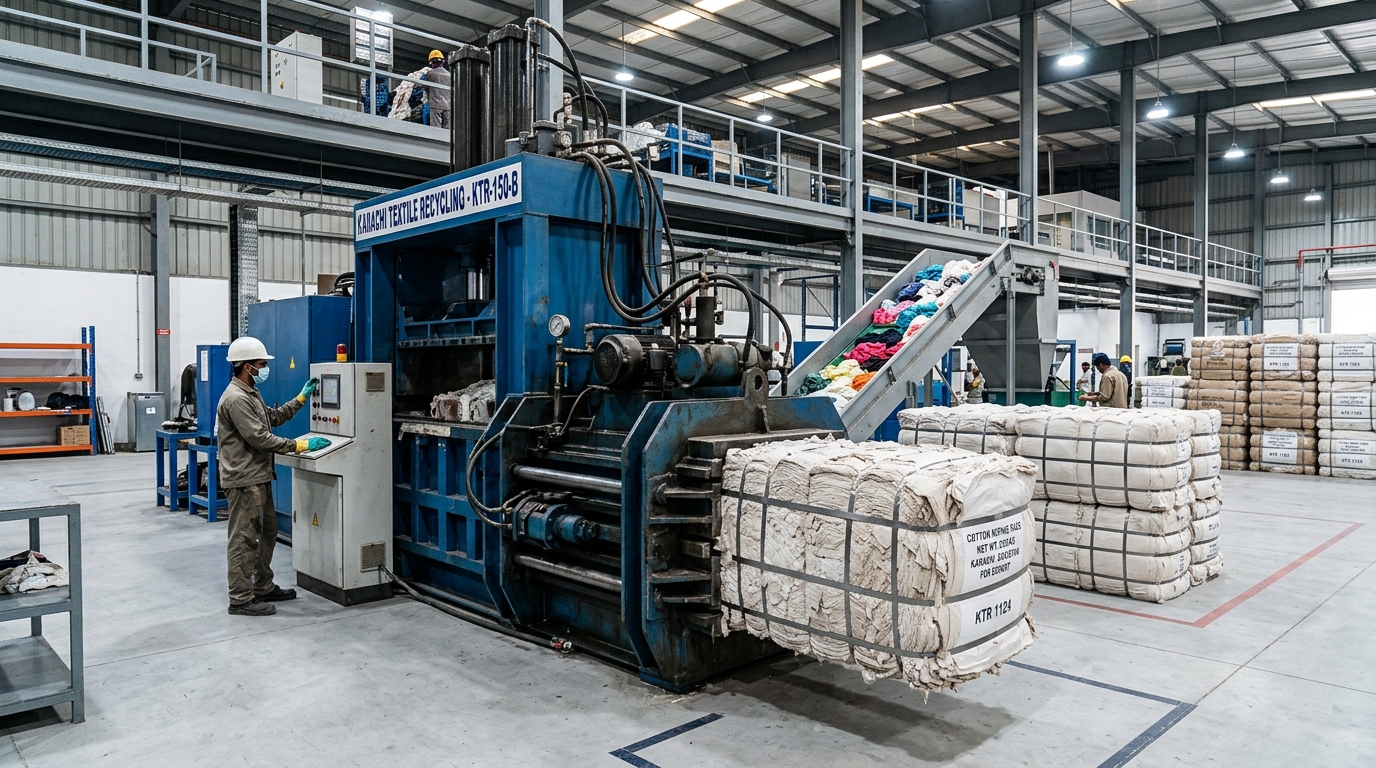
Even recycled rags can perform extremely well if they are properly sorted before shipping. The real question is whether a supplier actually grades their material manually, or simply bales whatever textile waste comes through their door.
- Ask how the bulk fabric is sorted before it is compressed and baled
- Ask whether contamination like metal buttons, plastic snaps, or sharp zippers is actively removed during sorting
- Request a trial sample bale rather than relying on a single, perfectly cut sample piece sent in an envelope
3. Confirm Pricing and Shipping Terms
Pricing structures can be confusing, especially for buyers who are new to importing bulk textiles. Getting clear, written terms upfront avoids hidden costs later in the shipping process.
- Confirm whether the quotation is priced FOB (Free on Board), CIF (Cost, Insurance, and Freight), or another specific shipping term
- Ask for pricing per kilogram or per pound, whichever your business uses internally to calculate consumable costs
- Clarify Minimum Order Quantities (MOQ) and how they scale depending on the bale size or total container volume
- Ask for realistic lead times from the moment of order confirmation to the actual vessel loading
If you are unfamiliar with shipping terms, read our guide on Understanding MOQ, FOB, and CIF.
4. Always Request a Physical Sample First
No amount of website description replaces actually holding the fabric in your hands. A sample shipment is a small, negligible cost that protects your business from a much larger financial mistake.
- Request a physical sample before placing any first-time bulk order
- Check the fabric weight, softness, stitch quality, and consistency across the sample provided
- Compare samples from more than one supplier if you are still in the decision phase
We offer sample shipments across our entire manufacturing catalog, whether you are looking at soft Single Jersey White Knit Rags, highly absorbent White Terry Towels, or any other product in our range. You can easily request a sample here.
5. Watch for These Supplier Warning Signs
A few red flags tend to show up consistently when a supplier is not being fully transparent about their manufacturing or grading process. Be cautious if you encounter:
- A refusal to explicitly specify whether the fabric is new virgin cotton or recycled
- Reluctance or refusal to send a physical sample before demanding a large deposit
- Vague or shifting pricing that changes frequently without a clear explanation
- No clear, documented answer about their sorting, grading, or quality control processes
Frequently Asked Questions
Should I always ask for a sample before ordering?
Absolutely. This is one of the simplest and most effective ways to avoid a costly mismatch between what a supplier promised and what actually arrives in your container.
What is the difference between FOB and CIF pricing?
FOB pricing covers the cost of goods up to the port of origin (e.g., Karachi Port). CIF pricing includes the cost of goods, marine insurance, and the ocean freight to your specific destination port. Always confirm which one you are being quoted so you can calculate your true landed cost.
How do I know if a supplier’s sorting process is reliable?
Ask highly specific questions about their sorting steps. Ask if it is done manually or mechanically. Most importantly, request sample bales rather than a single piece, since a full bale gives a much more accurate picture of their overall grading consistency.
Is it normal for minimum order quantities to vary by product?
Yes. MOQ often depends on the fabric density, bale size, and product type. It is always worth confirming the MOQ for each specific item you are considering.
Can I order a mix of new and recycled rags from the same supplier?
Yes. Many industrial buyers do exactly this to cover both precision-sensitive tasks (using new cotton) and general rough cleanup (using recycled cotton) within one single container shipment.
Ready to start the sourcing process with a transparent manufacturer? Browse our full catalog on the homepage, or go straight to Request a Quote with your specific product and shipping requirements.